Roehampton man and van for practical home and office moves
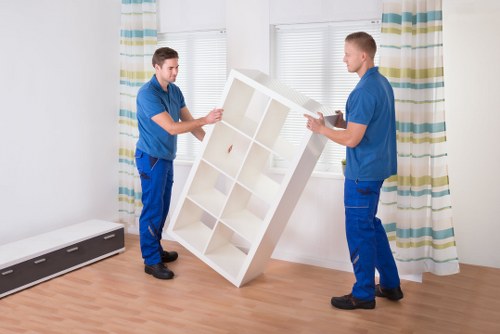
Roehampton Man And Van provides a straightforward man and van service in Roehampton for people who need a careful, manageable way to move belongings without booking a full-scale removals operation. It is suited to smaller house moves, room moves, furniture collection, student moves and light business transport, with an emphasis on sensible loading, secure transit and organised unloading. The service is designed to help customers move items efficiently while keeping the process clear and adaptable.
For many jobs, the main need is not a huge vehicle or an elaborate plan, but reliable handling and a sensible approach to the load. Our work can cover single bulky items, a few rooms’ contents, or a compact move across town. Where needed, we can help with carrying, loading and placing items at the destination so that the move feels coordinated rather than hurried. If you need a quotation, it is best to ask with a clear list of what needs to move.
We keep the service focused on the practical side of moving: making sure items are prepared for travel, arranged in the van logically and delivered with care. That can be useful when a customer has stairs, limited parking, or awkward furniture that needs more than a simple car journey. Clear instructions and accurate item details help the move go smoothly, and they also make it easier to estimate the right vehicle space and the time required.
House moves and domestic collections
Our domestic moving work is aimed at people who want a flexible way to shift possessions between addresses without overpaying for unused capacity. A man and van arrangement can suit studio flats, one-bedroom homes, shared houses and partial moves where only selected rooms are being cleared. It is also a practical option for collecting furniture from a shop, relocating belongings from storage, or moving items between family homes.
For a domestic job, the quality of the move often depends on how the load is put together. Heavier pieces need to be placed where they will not strain lighter items, and fragile goods should be separated rather than stacked casually. Good loading order matters because it protects the items and helps the unloading go faster. If your move includes furniture that must be dismantled before travel, mention that when asking for a quotation so the work can be planned accurately.
Before you book, it helps to think through what is actually going: beds, wardrobes, desks, boxes, appliances or just a few awkward items that will not fit in a car. A simple written list is often enough to show the scale of the job, and photos can be useful when there are large items or access restrictions. Home moves may need more than one stage of loading, while a smaller collection can often be handled more directly. Please get in touch if you would like a quote.
Furniture pick-up and single-item transport

Not every move involves a full property. A lot of work comes from transporting a sofa, bed frame, table, wardrobe, white goods or other bulky furniture that is too awkward for standard transport. Our furniture pick-up service is intended for these jobs, with care taken around corners, lifts, door frames and loading points so the item reaches its destination in usable condition.
Single-item transport is often about more than just space in the van. A heavy item may need two people to carry it safely, while a long or delicate piece may need padding, tie-downs or a careful loading position. That is why a clear description of dimensions and condition is useful when requesting a quotation. If the item is boxed, dismantled or already moved to the ground floor, the job may be simpler; if not, access details matter just as much as the item itself.
Customers often use this kind of service after a purchase, a house clear-out or a change in room layout. It can also suit landlords, tenants and small businesses that need a quick collection without turning it into a larger project. The value lies in keeping the movement direct and efficient, while still allowing enough flexibility for a genuine one-off collection. If you are unsure whether one item is suitable, ask for a quote and describe it plainly.
Packing support and careful handling
Many moves run more smoothly when the items are packed in a way that suits transport rather than everyday storage. Our packing and unpacking services can support customers who want help with wrapping, boxing, sorting and placing items so that fragile goods and mixed belongings travel with less risk. This is especially useful when a move includes ornaments, kitchen contents, books, office files or breakable household pieces.
Careful packing is not only about filling boxes; it is also about reducing movement during transit. Smaller items should not rattle inside oversized containers, and breakables should not be pressed against heavy objects that can crush them. Consistent labelling also helps when unloading, because it makes it easier to put things in the right rooms without reopening every box. If you need help with packing as well as transport, mention that early in your enquiry so the quotation can reflect the full scope.
There are times when the simplest plan is to pack a few priority items properly and leave the rest for later. That can work well for a short notice move, a partial clear-out or a busy household where only certain categories of items need extra protection. Keep the first enquiry practical and specific: what needs packing, what needs moving, and whether there are any items that require special handling. Accuracy at the start is often the easiest way to avoid last-minute problems.
Office relocation and business transport

Our service is not limited to homes. We also handle smaller-scale business moves such as office furniture, filing, boxed stock, display items and equipment that needs careful transport between workplaces. For organisations that do not need a large removals crew, a focused van service can be an efficient way to move items with less disruption. The key is to separate what must move now from what can be sent later.
Business transport often requires tidy sequencing. Desks, chairs, monitors, archive boxes and light shelving should be arranged so that the most fragile or valuable items are protected and easy to unload first. Where an office move includes items with cables, accessories or paperwork, it helps to pack them by function and label them clearly. That approach keeps the process organised and reduces confusion at the receiving end. If you need a larger workplace move, see office relocation services for a more detailed description of that work.
Smaller commercial jobs can also involve collections from suppliers, inter-site transfers or moving equipment between branches. These are often time-sensitive, but they still benefit from a sensible loading plan rather than a rushed lift-and-go approach. We aim to keep the service practical: enough flexibility for business use, but not so much complexity that the job becomes difficult to schedule or explain. Ask for a quotation if you want to compare a compact move against a more structured transport plan.
How we organise the move
Good moving work begins with a clear picture of what is involved. The more accurately you describe the items, access and destination, the easier it is to match the move to the right van and approach. That can include number of floors, parking distance, any lift access, and whether there are narrow passages or unusually large pieces to carry. A brief inventory is often enough to establish the scale of the job.
It is also useful to think about timing in practical terms. If there are collection windows, building restrictions, or a preferred order for loading and unloading, say so before the job is booked. In some cases, customers only need one van trip; in others, the move is easier if items are gathered in stages. Clear preparation helps keep the day calm, particularly when there are fragile items or a tight handover deadline. You do not need to over-explain, but you do need to be specific.
A focused quotation request should normally include the type of service needed, the main items, and any access detail that might affect carrying or parking. That allows the move to be priced on real information rather than guesswork. If you are comparing different job sizes, it can help to ask about both transport-only work and any extra carrying support, so you can decide what is genuinely required rather than assuming a larger service than necessary.
About Roehampton
Roehampton is a district in south-west London within the London Borough of Wandsworth, set on higher ground west of Putney and south of Barnes. Its name is associated with the old village that once stood there, and the area still contains a blend of long-established residential streets, open land and institutional buildings that reflect different phases of London’s growth. One of the most prominent historic landscapes nearby is Richmond Park, whose eastern edge helps define the wider setting and gives the area a notably green character compared with many inner London neighbourhoods. Roehampton Lane serves as a familiar route through the district, linking residential pockets with local amenities and access towards the surrounding boroughs. The area is also closely connected to the University of Roehampton, whose campuses contribute a visible educational presence and add a mix of student life, academic architecture and everyday movement through the neighbourhood. Roehampton House is among the better-known historic buildings, and the district as a whole includes a range of post-war housing developments alongside older streets and conservation-minded landscapes. The combination of parkland, residential estates and institutional grounds gives Roehampton a varied urban form rather than a single uniform centre. It is also linked by bus routes and local roads to Putney, Wimbledon, Richmond and wider south-west London, while nearby amenities and public spaces support a steady daily rhythm of local activity.
Van size, load planning and item protection

Choosing the right transport arrangement is about matching the load to the vehicle and not leaving space to chance. A compact move may suit a few boxes and a single piece of furniture, while a fuller household load may need the van packed in layers with the heaviest pieces nearest the floor. When a customer has a mixture of fragile goods, soft furnishings and rigid items, the loading order should keep pressure off breakables and make the whole load more stable.
This is where sensible planning becomes part of the service itself. Padding, straps and careful placement can all help reduce movement during transit, especially on jobs with frequent braking or a longer drive. Items with polished surfaces or awkward shapes often need a bit more attention than standard boxes, while appliances need enough room around them to avoid scuffs. For a related vehicle-based move, moving van information may be useful if you are comparing transport styles for your job.
If you are not sure whether your job is suitable for a man and van arrangement, look at the total volume rather than just the number of items. A small number of large pieces can take more room than many boxes, and the reverse is also true. When in doubt, list the item types and approximate sizes in your enquiry. That gives a better basis for a quotation than a broad description such as “a few bits,†and it helps avoid underestimating the work involved.
Useful services that sit alongside transport
Some customers need more than simple carriage from one address to another. They may want help with loading, a partial clearance, or a service that combines collection and delivery. In those cases, it can be useful to think in terms of the job sequence: what has to be collected, what can be dismantled, what needs protective wrapping, and what must be unloaded first. That way the move is organised around the items themselves rather than around a generic timetable.
For more involved domestic work, our related pages can help you understand the different kinds of moving support available. If you are planning a more complete household relocation, house removals gives a fuller picture of that type of move, while removal services covers the wider range of support that can sit around transport, carrying and unloading. These pages are useful when the job is no longer a one-off item move and begins to look like a more structured relocation.
There are also situations where customers simply want to compare terminology before deciding what to book. Some people describe the same need as a van hire style move, others as a removal, and others as a collection. The important thing is the actual work involved, not the label. If you want a quotation, a concise description of the items and access will usually be more valuable than choosing the perfect phrase for the service.
Quotations, access details and booking next steps

When you request a quotation, it helps to include the collection and delivery points, the items to be moved, and any access constraints such as stairs, tight streets or restricted parking. Those details allow the quote to reflect the real moving conditions rather than an estimate based only on distance. If there are special pieces such as wardrobes, appliances or glass items, say so clearly so the moving plan can be matched to the load.
Two other details can make a practical difference: whether the items are already dismantled or boxed, and whether there is a need for extra carrying time between the property and the vehicle. If you can describe the job in a few plain sentences, that is usually enough to begin. We can then look at the type of service required and the likely volume of items. For customers comparing options, pricing and quotes is the most direct page for starting that conversation.
Ready to move a few items or a fuller load? Send your details and ask for a quotation. If you need straightforward moving help in Roehampton, we are ready to discuss the job and suggest the most suitable option.